The expanded 48-team World Cup in 2026 introduces a fresh dynamic with 12 groups of four teams—and new rules for advancing. Now, not just the top two, but also the eight best third-placed teams move on to the round of 32, raising the stakes in every group and making so-called “Groups of Death” even more nerve-wracking.
Group I: The Ultimate Test
Group I is already being dubbed the tournament’s “Group of Death,” featuring:
France – Two-time world champions, led by superstar Kylian Mbappé
Senegal – 2025 AFCON champions, with Sadio Mané still pulling the strings
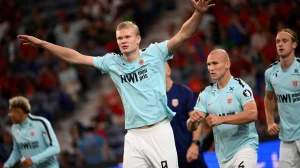
Norway – Back at the World Cup for the first time since 1998, boasting goal machine Erling Haaland
Iraq – The wild card, fresh from a dramatic playoff qualification
With France’s pedigree and recent form, they are clear favourites, having reached the last two finals and won in 2018. Senegal brings physicality and tactical strength, with a core of players who starred in their AFCON triumph. Norway is dangerous with Haaland up front, supported by Martin Ødegaard and Alexander Sørloth. Iraq, meanwhile, arrives with nothing to lose—making them a potential giant-killer.
The group’s opening clash sees France face Senegal at MetLife Stadium on June 16, immediately setting the tone for what could be the toughest group stage battle of the tournament.
Group L: Balanced and Unpredictable
Group L could be just as treacherous, pitting together:
England – Deep squad, elite striker Harry Kane in top form, and perennial expectations
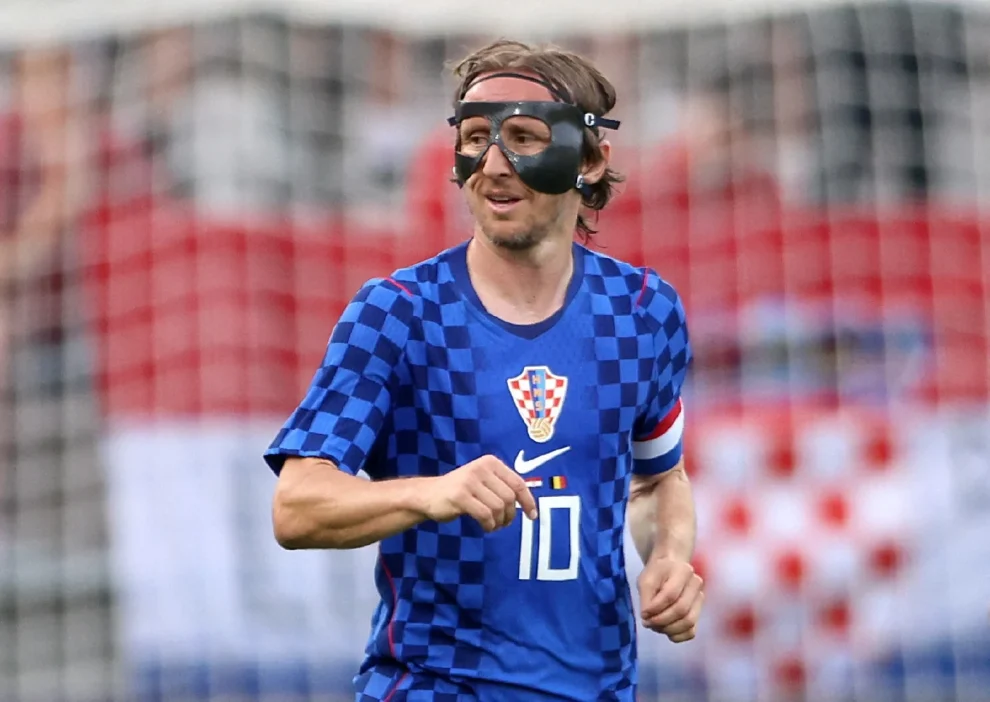
Croatia – Knockout-round veterans, with Luka Modric entering his fifth World Cup at age 40
Ghana – Known for their speed, power, and history of upsetting European opponents
Panama – Improved and organized, hungry for a better showing after their World Cup debut
England and Croatia are favourites to lead the group, but Ghana’s athleticism and Panama’s discipline make every match a potential upset. Modric’s leadership and Kane’s scoring ability will be central, but no one can afford to underestimate the competition.
Why This Format Raises the Stakes:
More teams advancing means every point—and every goal—matters.
The battle for third place is just as fierce, with goal difference and head-to-head records potentially deciding who advances.
A single slip or upset could knock out even the biggest names, making these groups must-watch.
The 2026 World Cup’s new structure promises drama and unpredictability, especially in these stacked groups—where nightmares and dreams will be made in the group stage.