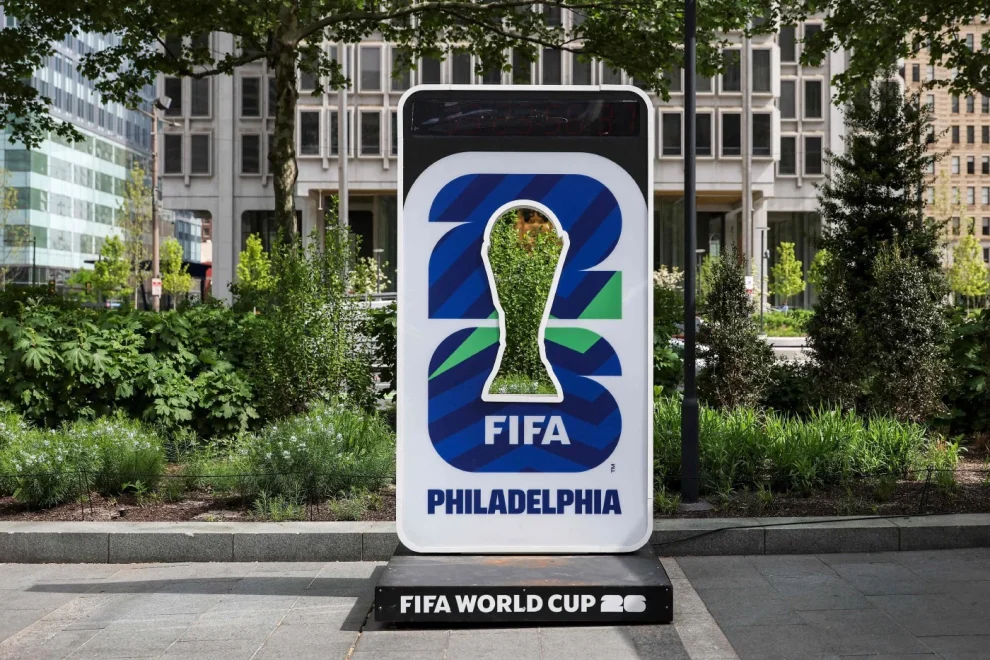
The 2026 FIFA World Cup will break new ground as the first edition to feature 48 teams, substantially expanding the tournament’s reach and offering historic opportunities to debutant nations. While this aligns with FIFA’s goal of making football more global, the new format has sparked debate over the potential loss of early-round drama that has long defined the tournament.
The expansion delivers on a promise made by FIFA President Gianni Infantino, who championed the idea of “more chances for more teams” and described the World Cup as “more than a competition, it’s a social event.” The move reflects a natural evolution: where the World Cup once heavily favored Europe and South America, the new format ensures 10 African teams, 9 Asian teams, 6 each from South America and CONCACAF, and a spot for Oceania, while Europe retains 16 places.
This inclusivity has allowed smaller nations such as Curacao, Cape Verde, Jordan, and Uzbekistan to qualify for their first-ever finals. With 12 groups of four teams and 32 spots in the knockout round, even third-placed teams have a viable path forward—meaning a single group-stage win could be enough for progression.
However, this security may dull the sense of jeopardy that makes the group stage so compelling. In past tournaments, an early loss for a top team could spell disaster—memorable upsets like Saudi Arabia’s win over Argentina in 2022 are less likely to carry the same stakes. The risk of a “dilution of spectacle” is real, with 72 group matches required to eliminate just 16 teams, and an added knockout round increasing the load on players.
Critics argue this could encourage more cautious football and test fans’ patience. “A 32-team finals was perfect,” says World Cup historian Jonathan Wilson, who fears the new format may lead to more conservative tactics and fewer early exits for the giants.
Still, for many, the focus remains on maximizing opportunity. As England coach Thomas Tuchel notes, “You just focus on the group, this is what you do, and make sure you are in the right head space.”
The expanded World Cup will undoubtedly widen football’s global appeal and present new stories, but whether it can sustain the high drama and edge-of-the-seat tension that has defined past group stages remains to be seen.